
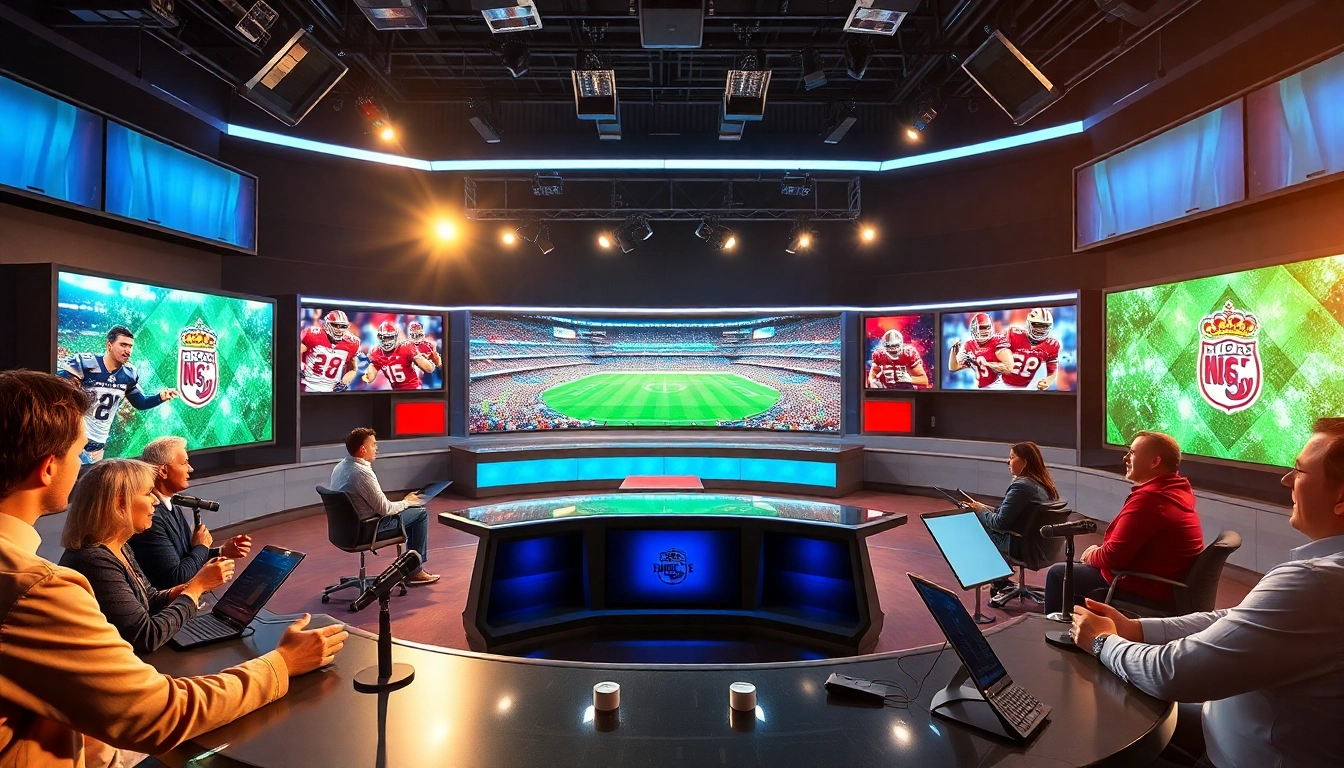
Understanding Sports Broadcasting: An Overview
Sports broadcasting has transformed into a significant industry, integrating entertainment, technology, and journalism. It encompasses various forms of media that deliver sports events, news, analysis, and commentary to audiences across the globe. The rise of Sports Broadcasting has not only changed how fans engage with their favorite teams but has also influenced the economics of professional sports.
What is Sports Broadcasting?
At its core, sports broadcasting refers to the distribution of live and recorded sports events through various mediums, including television, radio, and online platforms. It includes play-by-play commentary, analysis, highlights, and punditry. This field serves multiple purposes: informing, entertaining, and engaging fans who crave a deeper connection to their sports and teams. The primary goal is to deliver an experience that captures the excitement of live sports while also providing insightful commentary and analysis.
The Evolution of Sports Broadcasting
Sports broadcasting has undergone significant transformations since its inception. In the early 20th century, radio broadcasts of sports events brought the excitement directly into households, making sports more accessible. The introduction of television in the 1950s revolutionized sports coverage, allowing viewers to watch events live. As technology has advanced, so too has broadcasting, with the rise of the internet and digital streaming fundamentally altering how sports are consumed. Today, fans can watch games on smartphones, tablets, and smart TVs, often with enhanced interactivity and real-time analytics.
Key Roles in Sports Broadcasting
The landscape of sports broadcasting involves various professionals, each playing a vital role in the production and dissemination of sports content. Key roles include:
- Commentators: They provide live commentary, often using their expertise to enhance the viewing experience.
- Producers: Responsible for the overall planning and execution of broadcasts, coordinating between various departments.
- Technical Crew: Operates cameras, sound, and broadcast equipment to ensure high-quality broadcasts.
- Analysts: Provide in-depth analysis of games and players, often employing statistics and in-depth knowledge to inform viewers.
Essential Tools for Sports Broadcasting
Equipment Needed for Effective Sports Broadcasting
To create engaging content, sports broadcasters must invest in various essential tools and equipment. High-definition cameras, sound equipment, and on-field microphones are fundamental for capturing quality visuals and audio. Additionally, teleprompters for presenters and instant replay systems are crucial for enhancing viewer experience. The shift towards mobile technology and drones has further enriched broadcasting, offering unique angles and perspectives.
Software Solutions for Streaming Sports Events
Advancements in technology have led to the emergence of various software solutions that facilitate streaming sports events. Broadcasting software offers features like multi-camera switching, live video editing, and graphics integration. Services such as cloud streaming platforms provide flexibility and scalability, enabling broadcasters to reach larger audiences. Moreover, innovations in artificial intelligence are being adopted to analyze viewer engagement and optimize broadcasts in real-time.
The Role of Social Media in Sports Broadcasting
Social media platforms have become vital in enhancing sports broadcasting by fostering engagement and interaction. Broadcasters use these platforms to share real-time updates, highlights, and behind-the-scenes content, creating a continuously engaged audience. Instagram, Twitter, and TikTok allow for immediate fan feedback and interaction, helping broadcasters gauge viewer sentiment and refine their content accordingly. This direct line of communication can increase loyalty and deepen the relationship between fans and broadcasters.
Techniques to Enhance Audience Engagement in Sports Broadcasting
Crafting Compelling Narratives in Sports Commentary
Storytelling is central to compelling sports commentary. Narratives can transform a standard play-by-play into an engaging experience, linking fans emotionally to the game. Commentators can share anecdotes about players, team histories, and game significance, creating a richer context for viewers. Emotional storytelling resonates more, making the broadcast memorable and impactful.
Leveraging Live Analytics to Engage Viewers
Live analytics are powerful tools for enhancing viewer engagement during broadcasts. Providing real-time statistics, player metrics, and even predictive analytics helps fans understand the game's context better. Graphics displaying key player statistics or strategic insights adds depth and educates the audience, making the viewing experience more interactive.
Interactive Content Strategies in Sports Broadcasting
Interactive content strategies play a crucial role in modern sports broadcasting. Polling viewers in real-time, enabling live chat during broadcasts, or encouraging participation through social media are effective methods to enhance engagement. By allowing fans to interact and share their thoughts, broadcasters can create a communal viewing experience that increases loyalty and interest in future broadcasts.
Best Practices for Successful Sports Broadcasting
Planning and Preparing for Live Events
Effective planning is critical for successful sports broadcasting. Teams must establish an itinerary, outline key segments, and assign roles well in advance. Preparation includes rehearsals to ensure that everyone knows their responsibilities and timing. Additionally, broadcasters should conduct pre-event research to offer insightful commentary and engage viewers fully, setting the stage for a captivating broadcast experience.
Maintaining Quality Control in Live Productions
Quality control is paramount in live productions, as viewers expect a seamless experience. Regular checks on audio-visual quality, technical setups, and adherence to production schedules help maintain professional standards. Continuous feedback loops during broadcasts assist in identifying any issues immediately, ensuring that disruptions are addressed quickly to minimize audience dissatisfaction.
Adapting to Viewers’ Feedback and Preferences
Successful sports broadcasters are agile, frequently adapting content based on viewers' feedback and preferences. By monitoring audience engagement metrics, broadcasters can glean insights into which content is resonating and which areas need adjustment. Surveys, social media feedback, and viewership statistics are invaluable resources for shaping future broadcasts to better cater to audience desires.
Future Trends in Sports Broadcasting
Impact of Technology on Sports Broadcasting
Emerging technologies such as virtual reality (VR), augmented reality (AR), and AI are poised to reshape the sports broadcasting landscape. VR can provide immersive experiences that allow fans to feel as though they are part of the game, while AR can enhance broadcasts by overlaying digital graphics on the live feed. AI can be used for automated content creation, streamlining production processes, and personalizing viewer experiences based on preferences.
Emerging Platforms for Sports Broadcasting
New streaming platforms and applications are continuously emerging, creating both opportunities and challenges for traditional broadcasters. The growth of OTT (over-the-top) services allows audiences to access sports content without traditional cable subscriptions, driving competition among providers. This trend highlights the need for traditional broadcasters to innovate and adopt hybrid models to retain viewers and adjust business strategies.
The Future of Viewer Engagement in Sports Broadcasting
The future of viewer engagement in sports broadcasting will likely revolve around personalized experiences. As data analytics tools evolve, broadcasters can tailor content to meet the unique preferences of individual viewers, enhancing their enjoyment. Interactive features such as gamification elements, personalized highlights, and community engagement initiatives will increasingly form core components of sports broadcasts, deepening viewer involvement and loyalty.
FAQs About Sports Broadcasting
What is the main purpose of sports broadcasting?
The main purpose of sports broadcasting is to deliver live or recorded sports events and related content to audiences, providing entertainment and commentary that enhances viewer engagement.
What role does technology play in sports broadcasting?
Technology is crucial in sports broadcasting, enabling high-quality production, real-time analytics, and innovative engagement strategies that enhance the viewer experience.
How has social media changed sports broadcasting?
Social media has transformed sports broadcasting by fostering direct engagement between broadcasters and fans, enabling real-time updates, and allowing for immediate feedback and interaction.
What are the key roles in sports broadcasting?
Key roles in sports broadcasting include commentators, producers, technical crew, and analysts, each vital for effective content creation and delivery.
What trends are shaping the future of sports broadcasting?
Emerging trends include advances in technology such as AR and VR, the rise of OTT platforms, and a focus on personalized viewer engagement through data analytics.